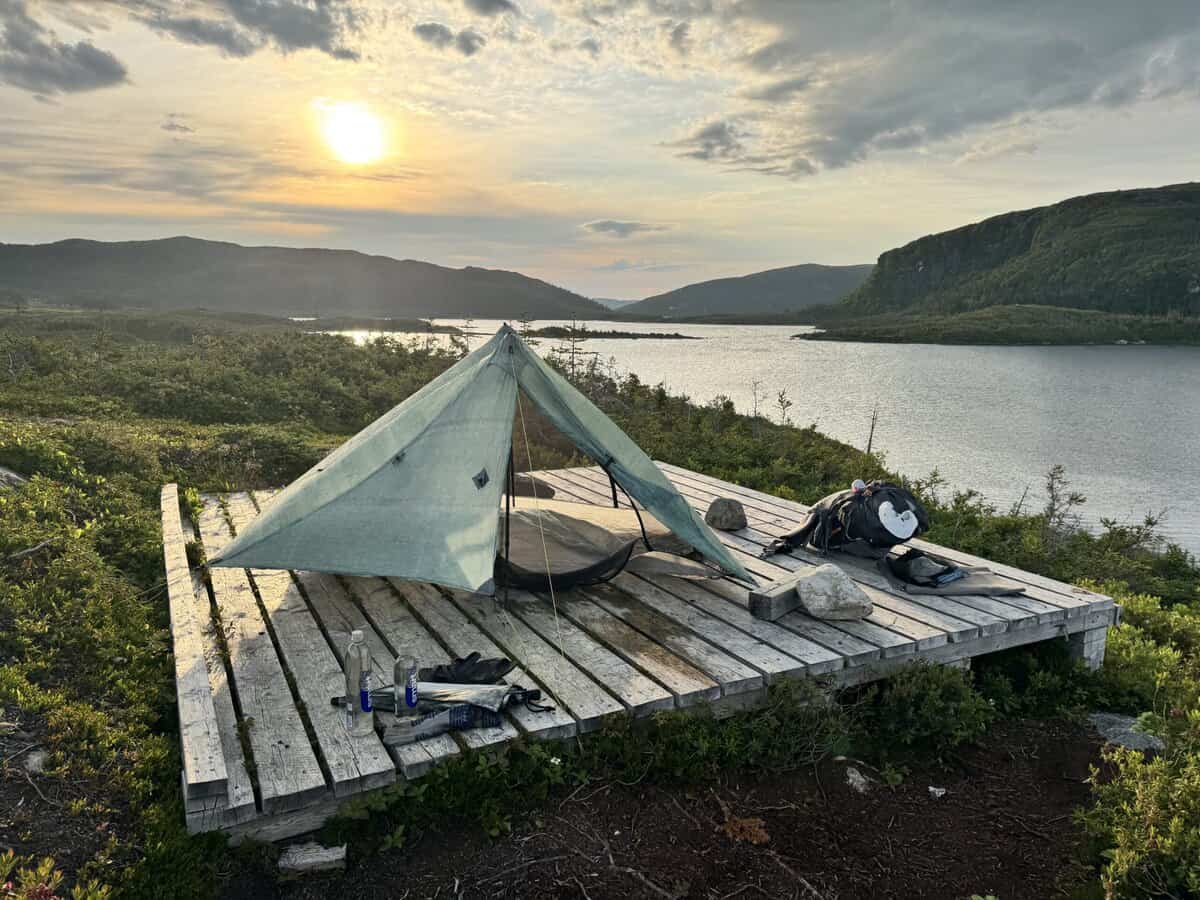
Surprisingly, I slept well. I was scared to move for fear of inviting new cramps, but the water and electrolytes must have worked their magic through the night. The air was still and cool as I packed up as much as possible inside my tent. Surprisingly, the flies clinging to the tent mesh’s exterior from the night before had disappeared. All the more reason to get moving and make some miles before they reappeared.
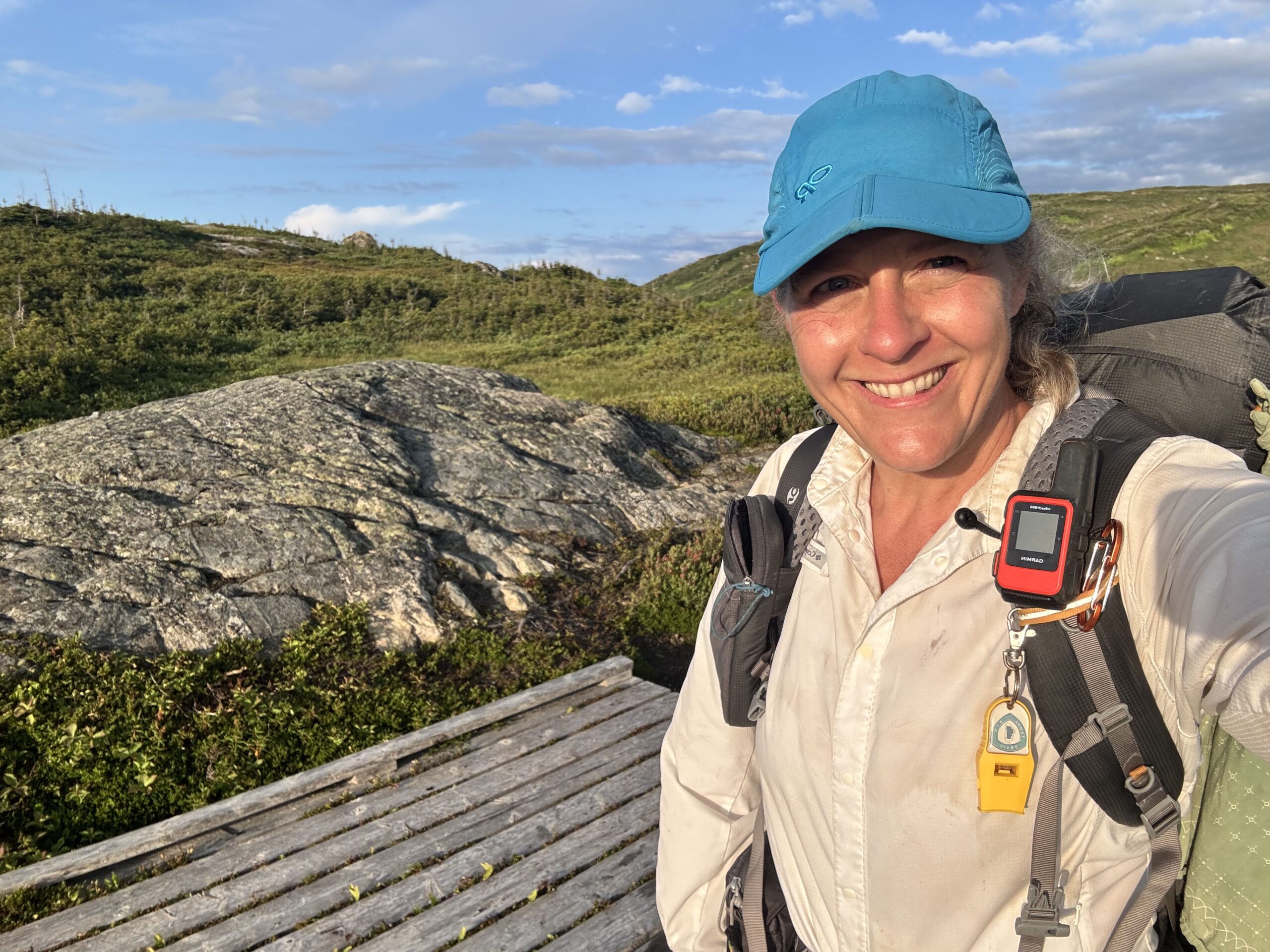
I started hiking by 7:30 a.m., and the bug free bliss continued for the most part. I made quick time, which was good because I got turned around more than once (so many game trails!). Speaking of game, as I was heading down a hill, a young-ish caribou emerged from the nearby woods, just ahead of me. For a few seconds we locked eyes. Then it calmly headed right back into the woods. That one magical moment was worth all the bug bites and muscle cramps, witnessing a new-to-me animal in the wild (and I’m sorry I didn’t have time to take a photo to share!)
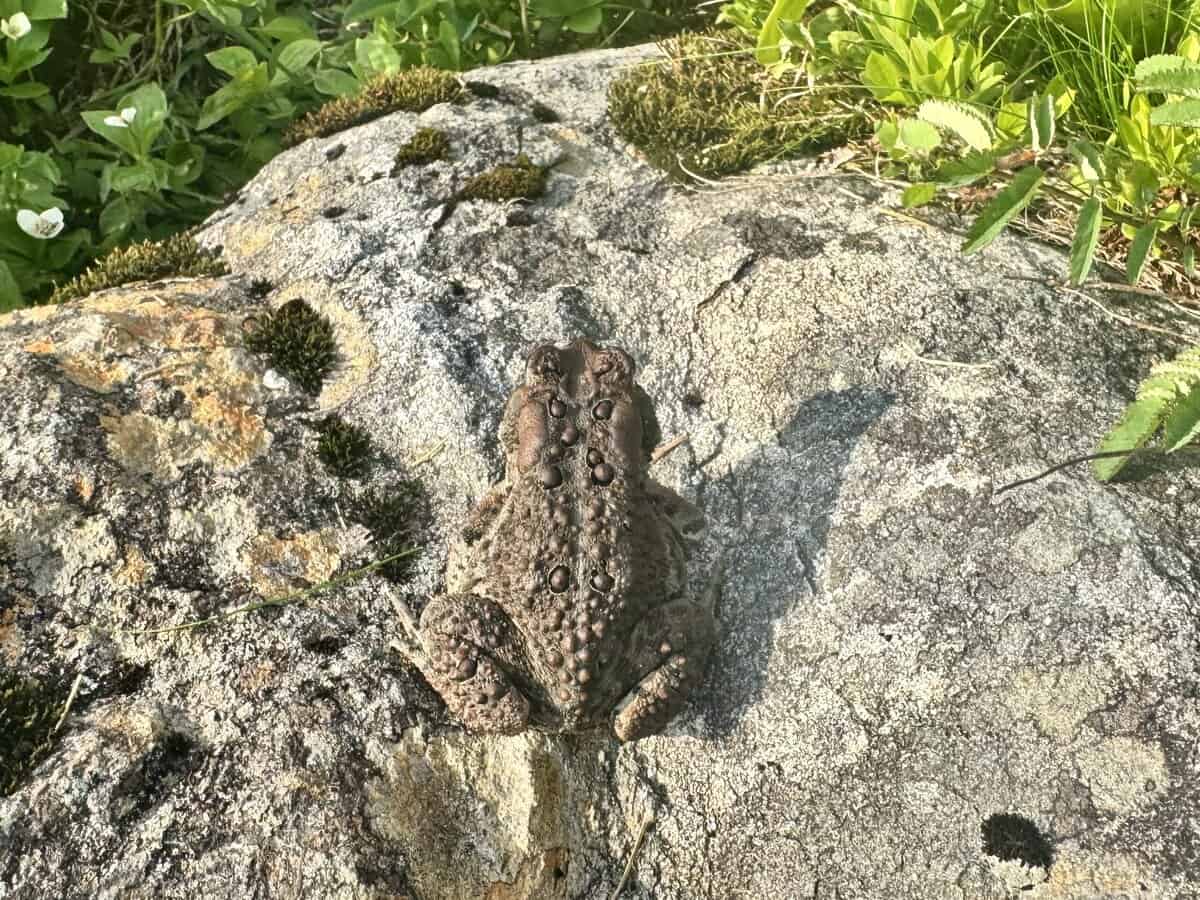
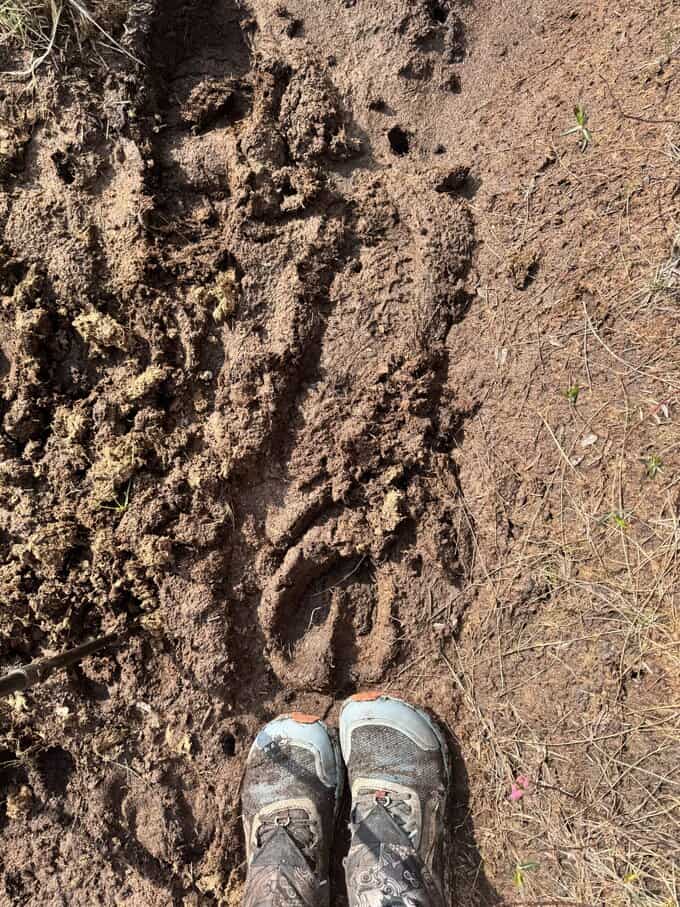
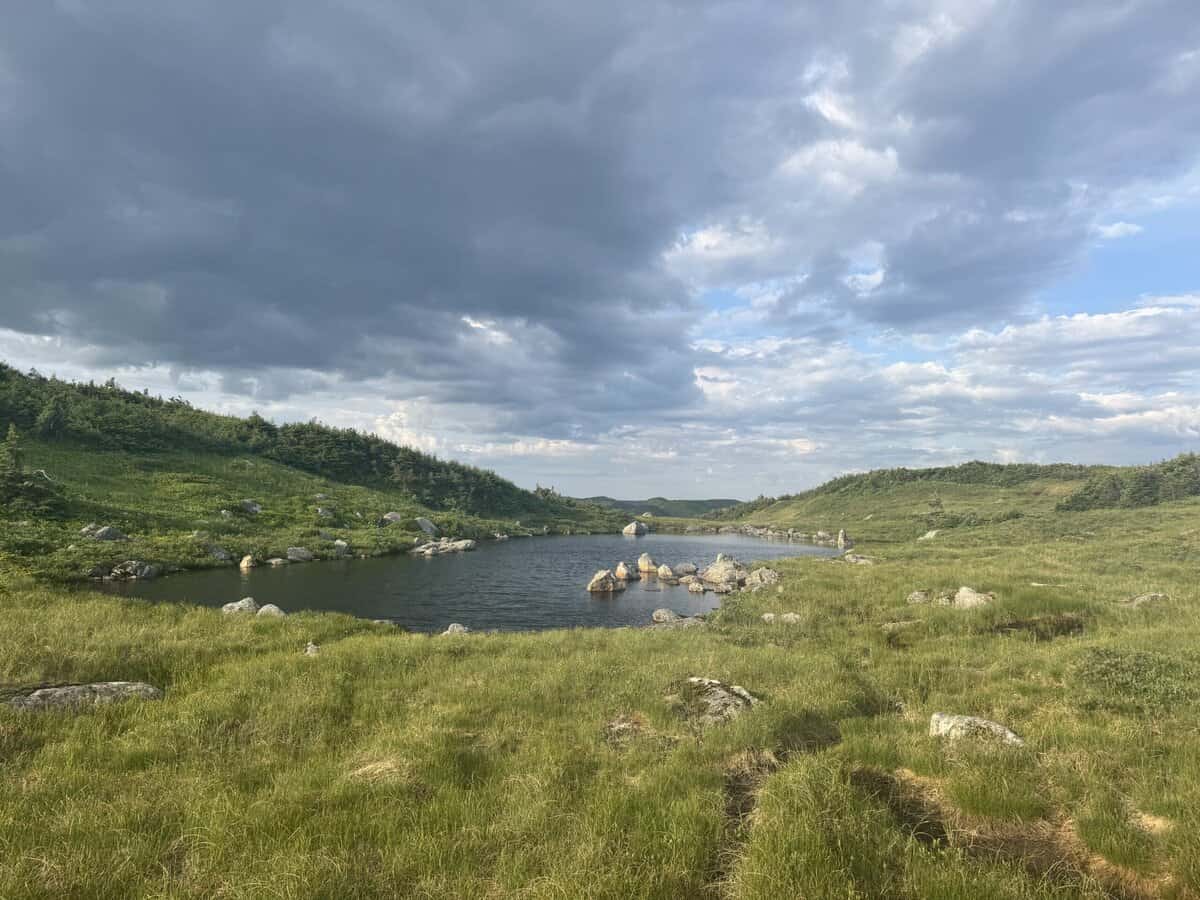
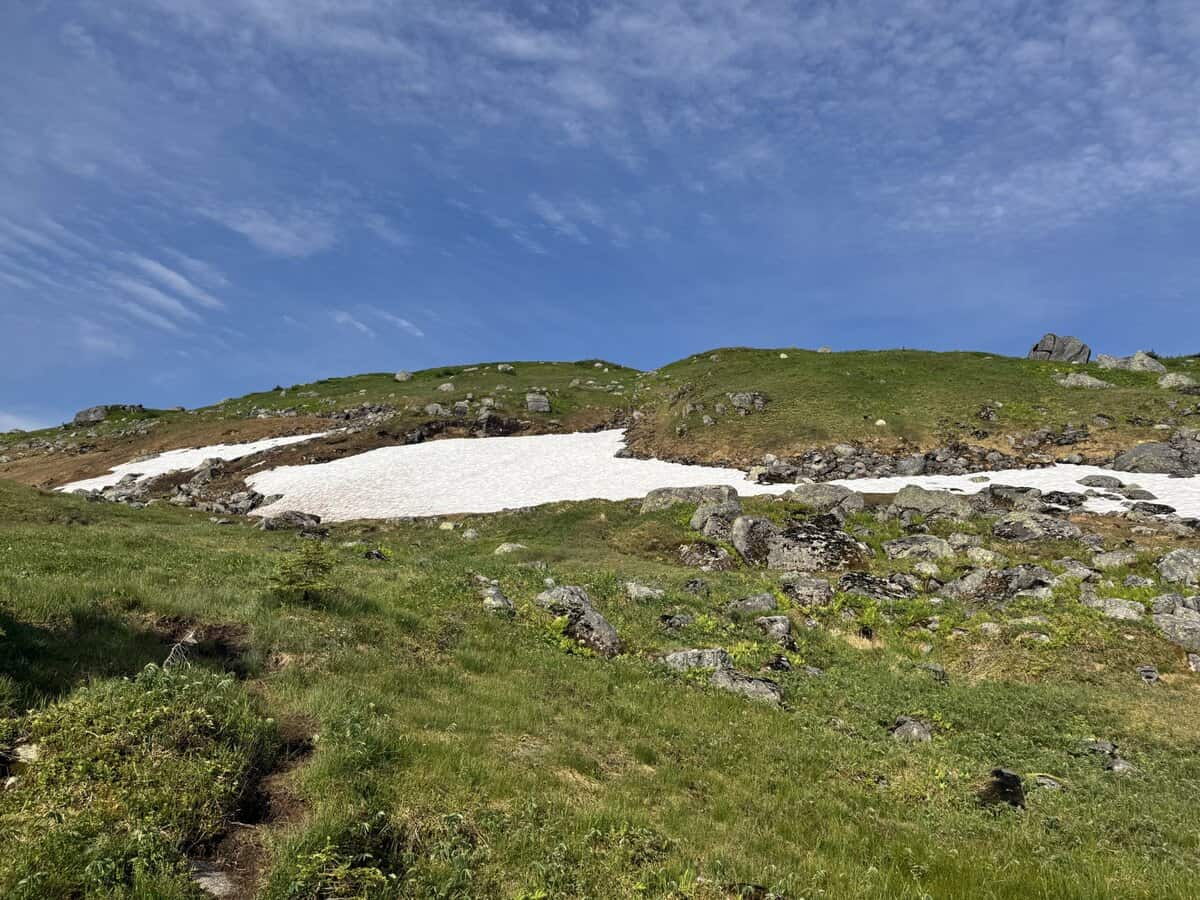
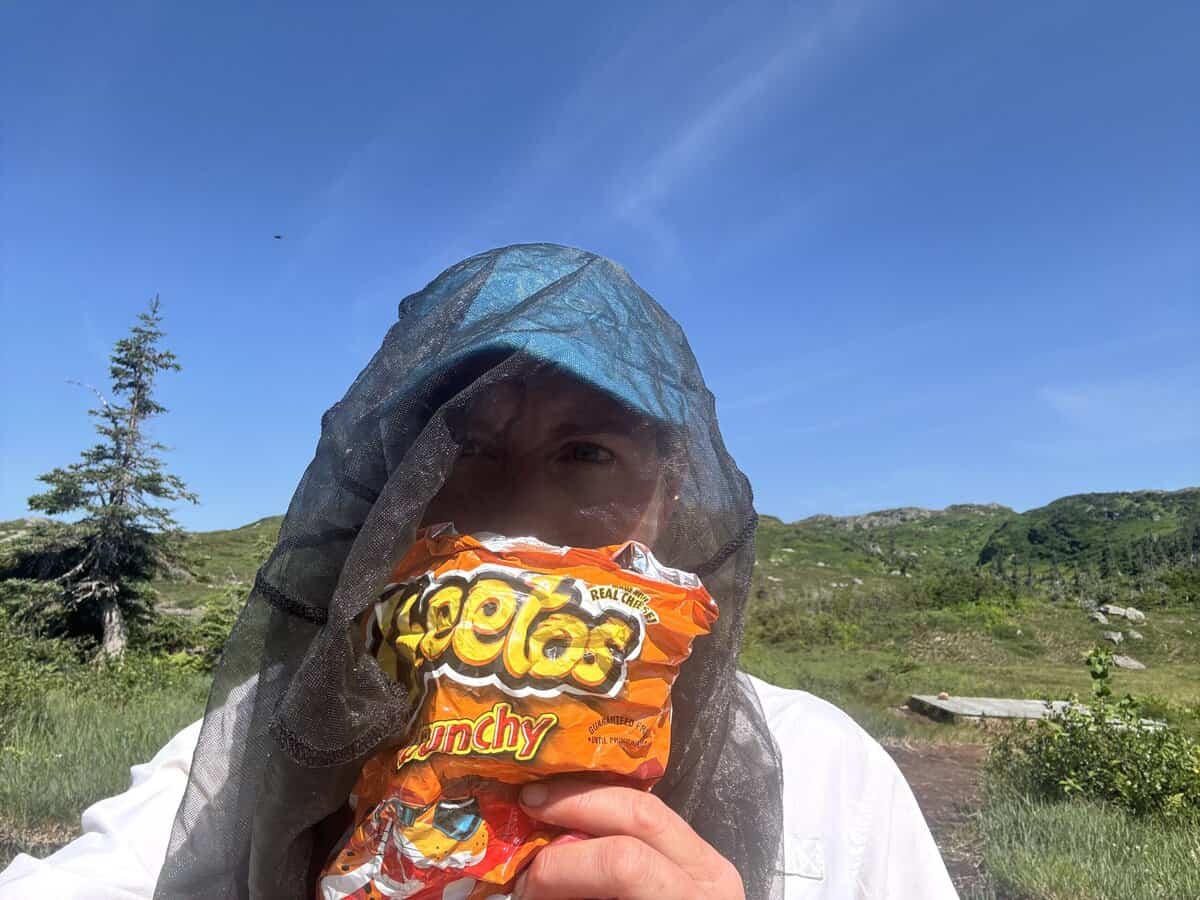
Eventually, the day warmed up enough for the bugs to force me to pull out my head net. They weren’t quite as bad as the day before yet, and I began wondering if I’d stay out one more day after all. I knew I wanted to make it to the campsite on the flank of Gros Morne Mountain, which would put me in position to leave camp the next morning to greet the sun rising on its summit. When I caught my first glimpse of the massive mountain in the distance, it made this plan all the more enticing.
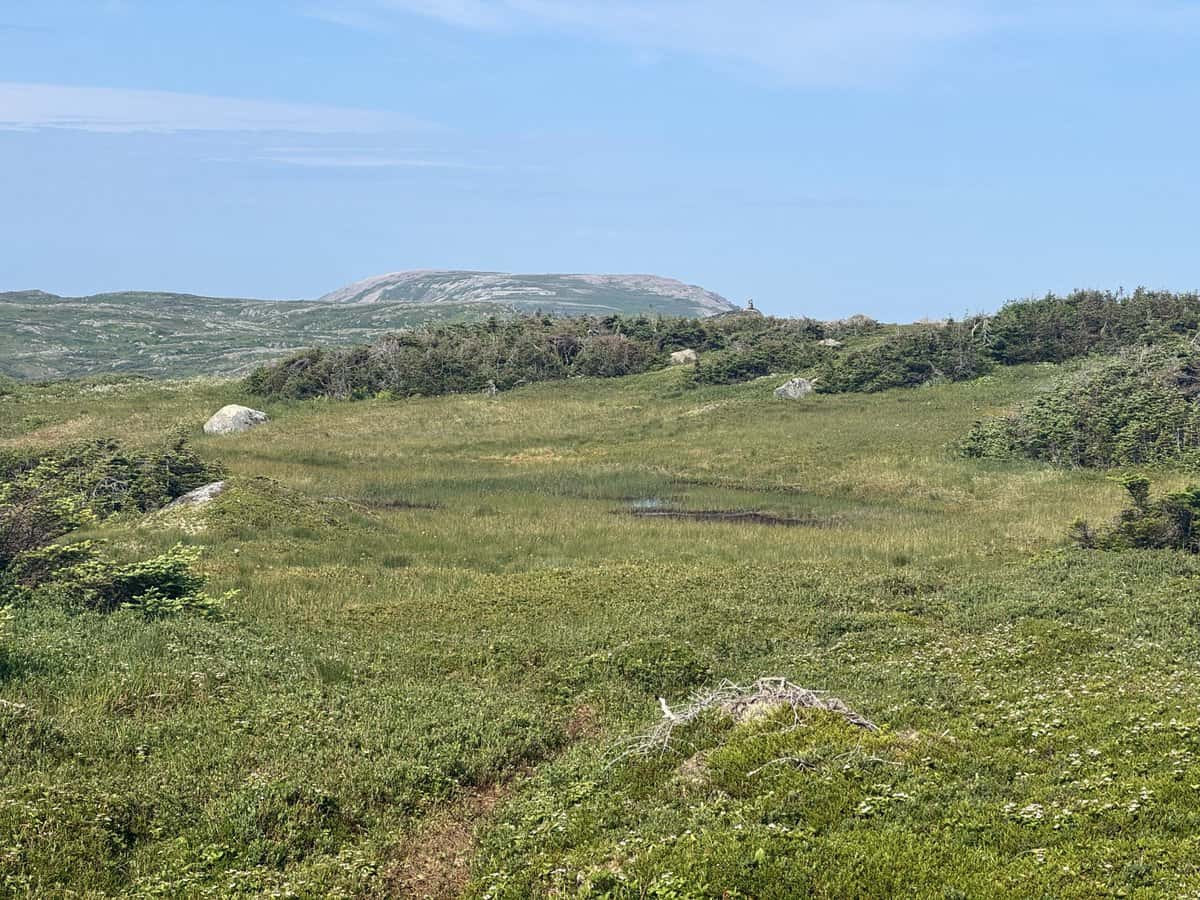
On a broad plateau, I had a clear line of sight to the next campsite far in the distance, thanks to the wooden platforms beside . Problem was, there was no semblance of an easy route downhill to them. I could wade more steeply downhill through vegetation that looked like it would swallow me whole or take a more circuitous route that would keep me on the barren plateau longer before ducking into what was probably tuckamore.
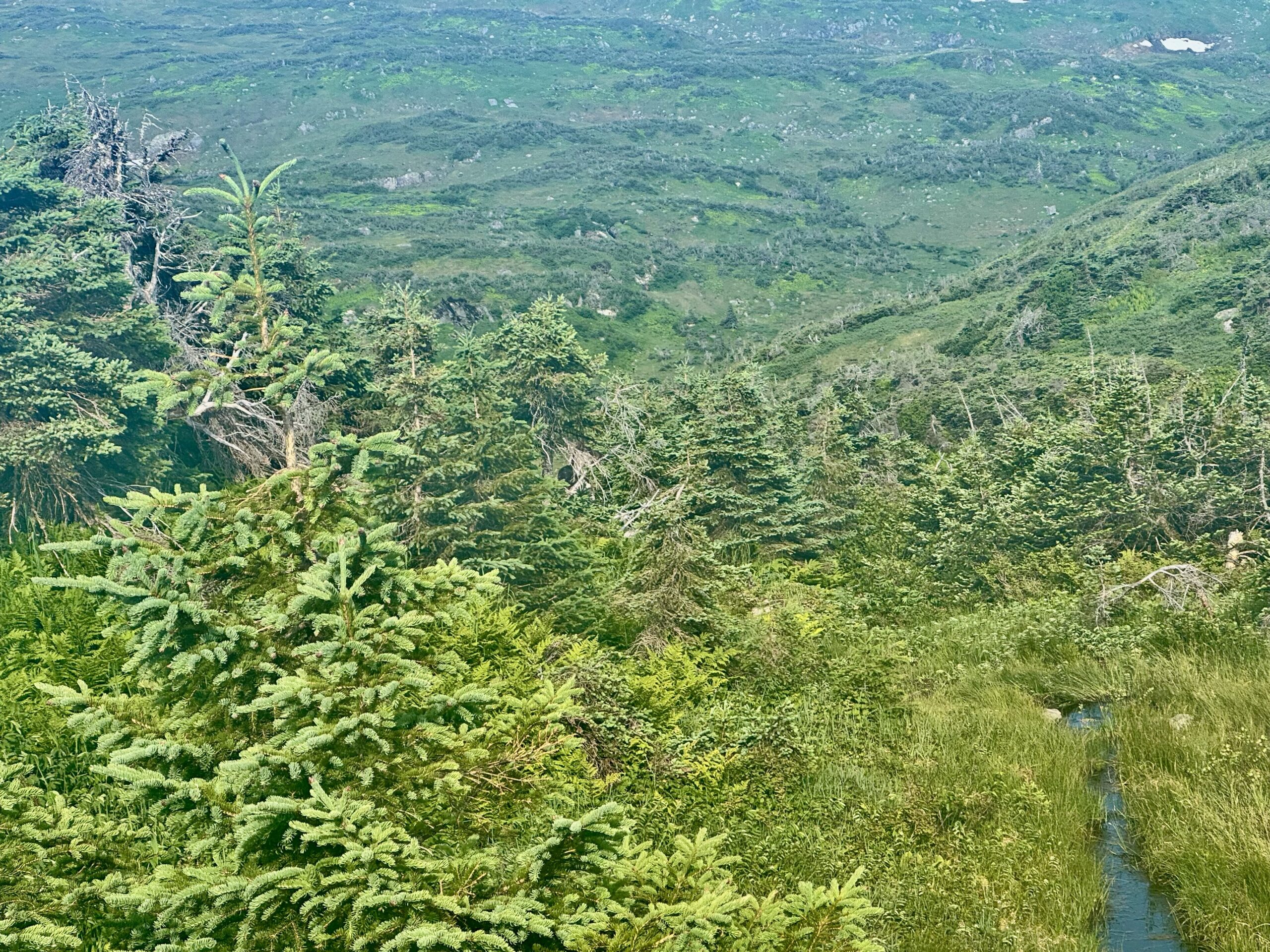
After traversing the plateau and then descending a steep slope with dropoffs where careful foot placement was more important, I arrived at an exposed sloped rock slab with A rope with intermittent knots was anchored to a tree above it–likely another hiker’s attempt at being a good samaritan for future hikers.
The slope of the rock was steep enough and the drop to the ground below high enough (probably 8-10 feet) that I was grateful for the rope’s placement. It also appeared possible to skirt the upper edge of the rock to an area where it tapered down to the earth below more gently. But that would require traversing a wet area where a small seep was oozing water across the slab. There was just enough of what appeared to be algae that I suspected it was slick.
I studied my options, not crazy about either, especially without someone with me in case I fell. Even though I had a Garmin InReach to call for help (assuming I’d remain conscious if I sustained a head injury), its purpose isn’t to empower me to make reckless choices. But dragging myself back up the longest hill I’d descended yet, in the heat of the day, also didn’t appeal. A conundrum.
It only took a couple of minutes for me to recognize the absurdity of debating my choices for any length of time. Climbing back up the hill was the only option I had if I wanted to manage risk in a responsible manner. But that decision didn’t come without a few choice words as I climbed back uphill in the heat of the day, backtracking nearly a mile to where I had the choice to descend through dense vegetation.
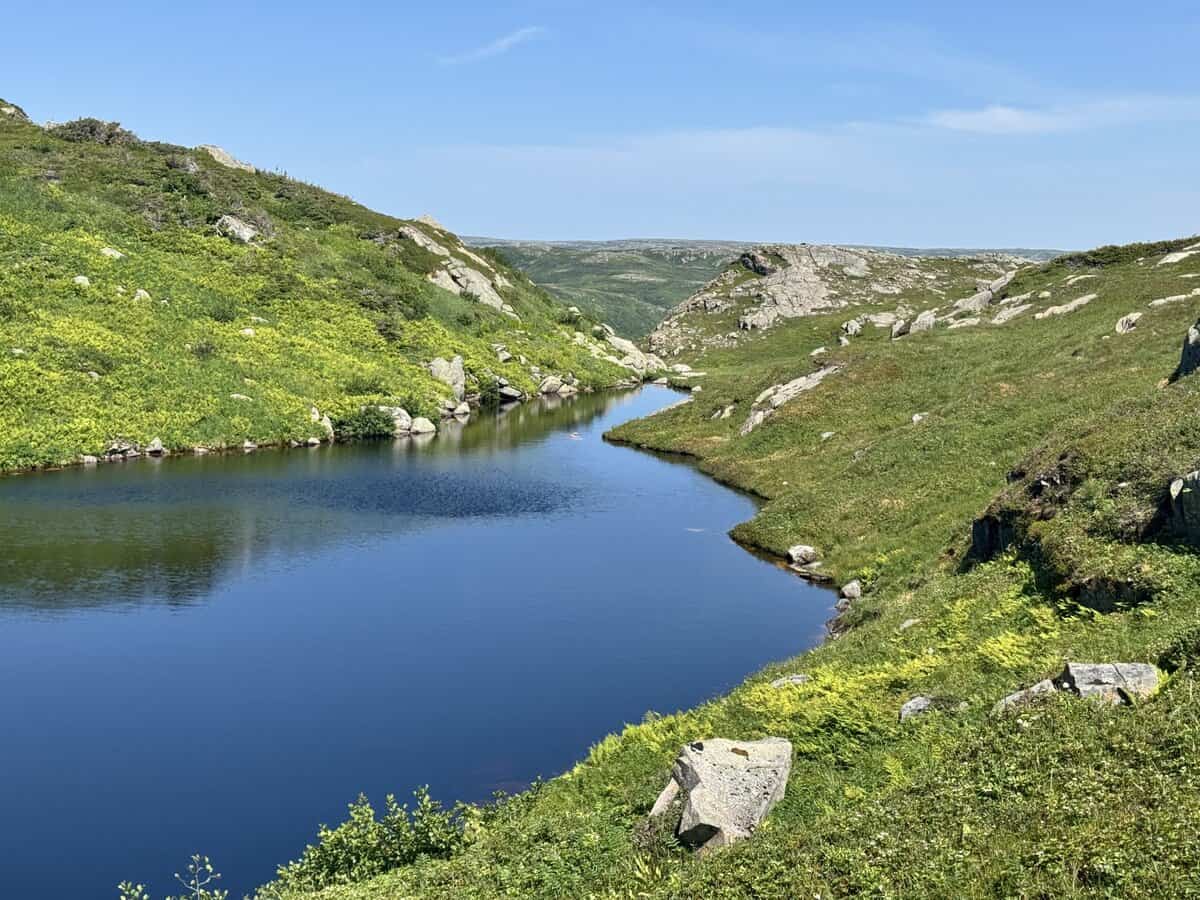
The vegetation was as slow going as I’d expected, but at least it was forward progress again. When I finally arrived at the campsite, I took my first pack off break of the day to enjoy a snack and map out my next few miles. The bugs welcomed the opportunity to harrass me while I ate, so my hope for a short nap in the sun was quickly abandoned.
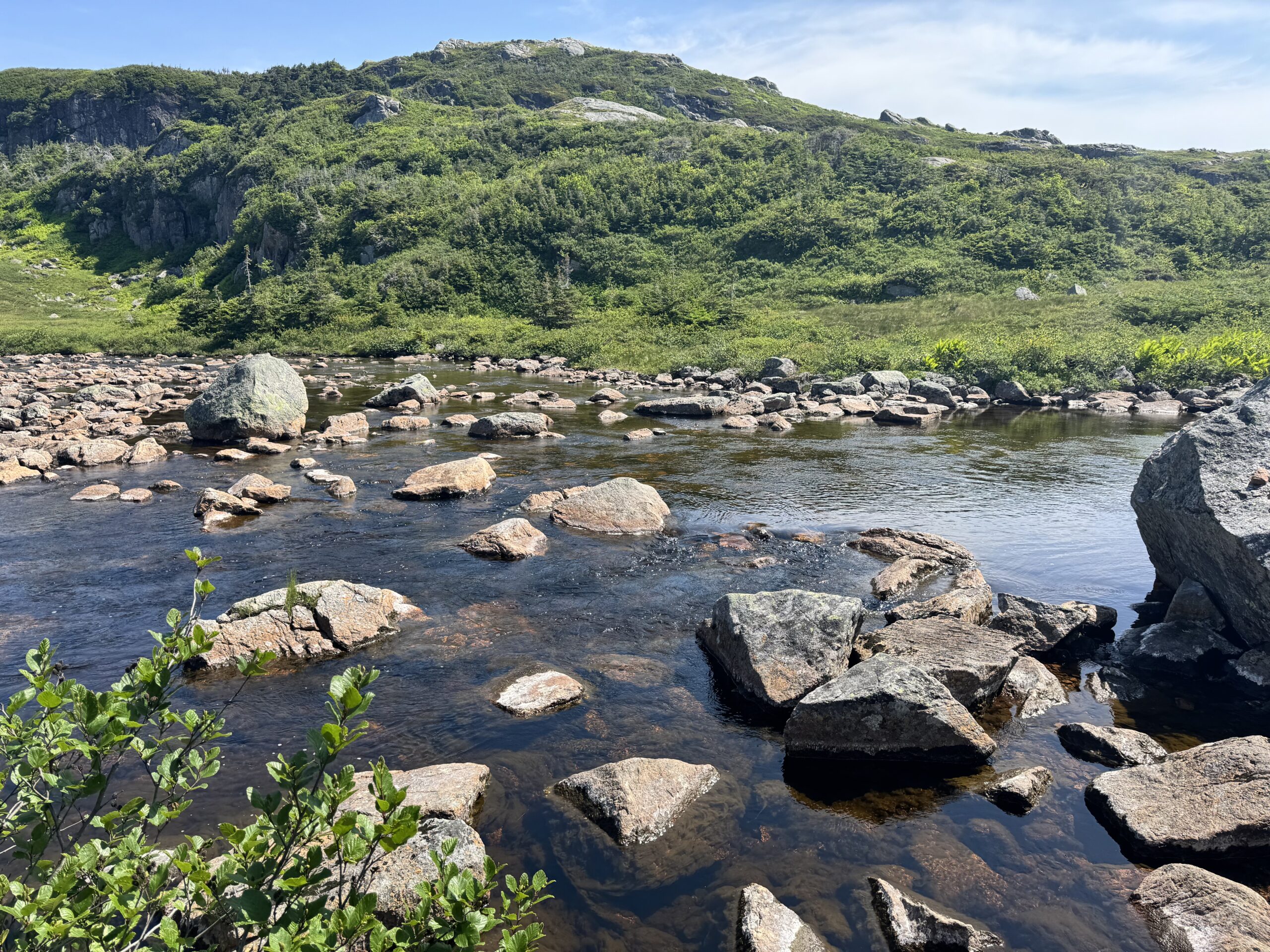
I crossed the inlet before Lower Green Island Pond and began ascending again. It felt good to wade through a clear stream for a change. The views as I climbed from the pond were increasingly beautiful. Gros Morne Mountain loomed larger as I continued my path toward it.
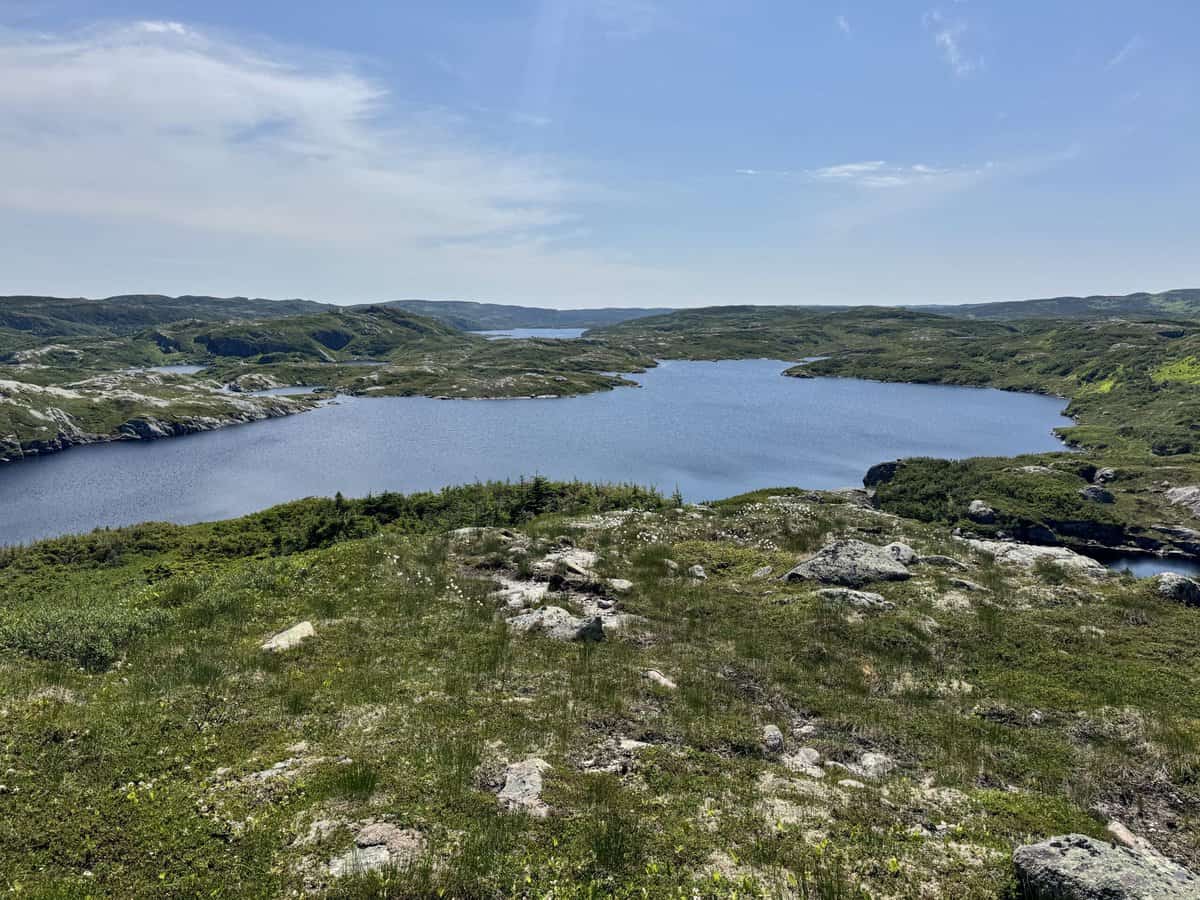
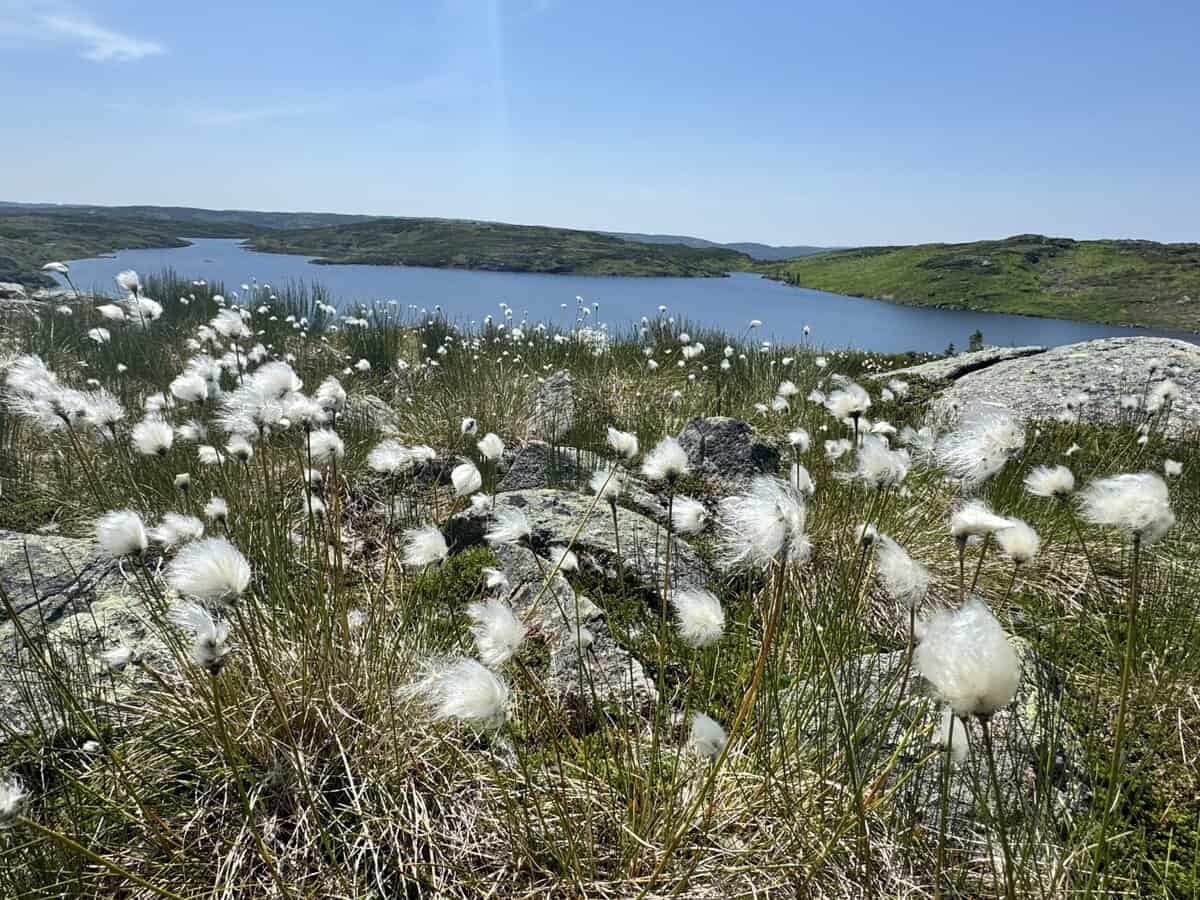
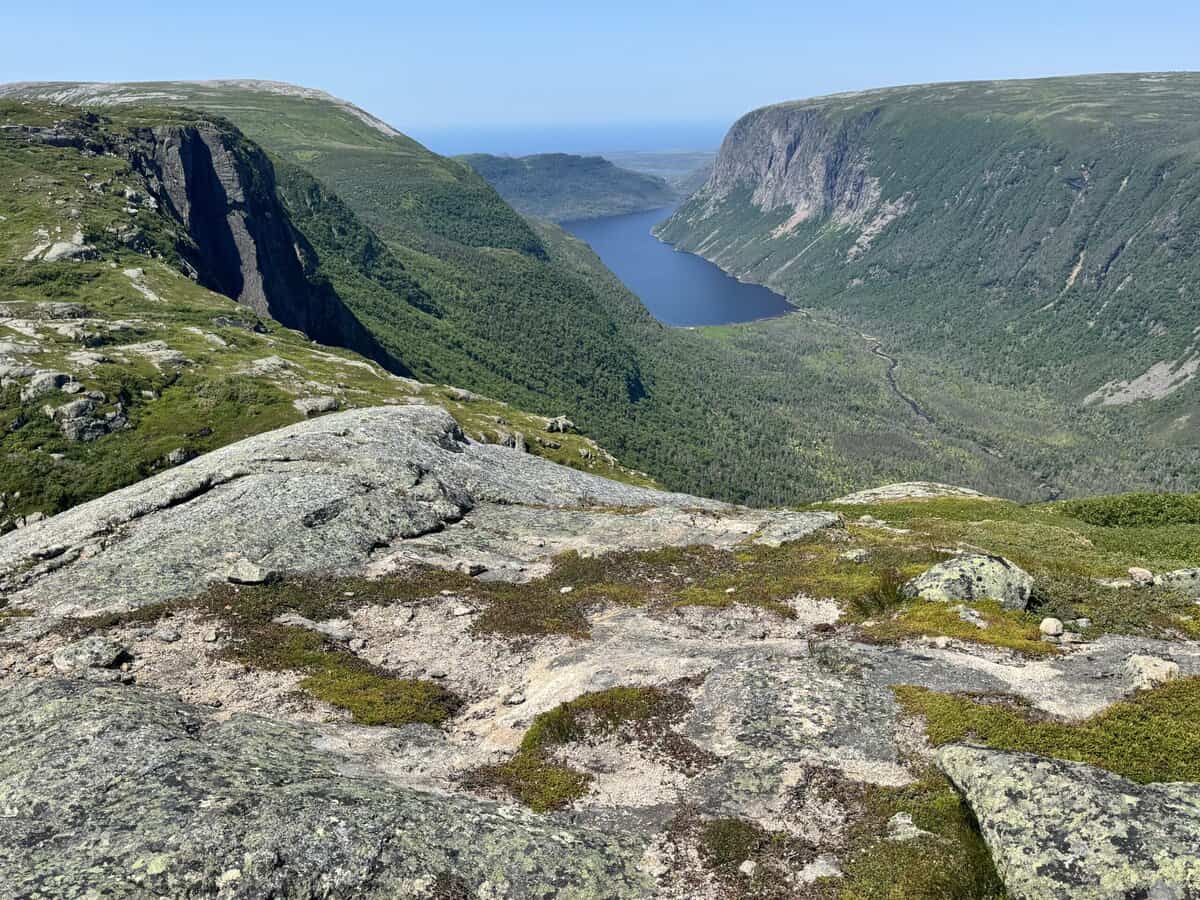
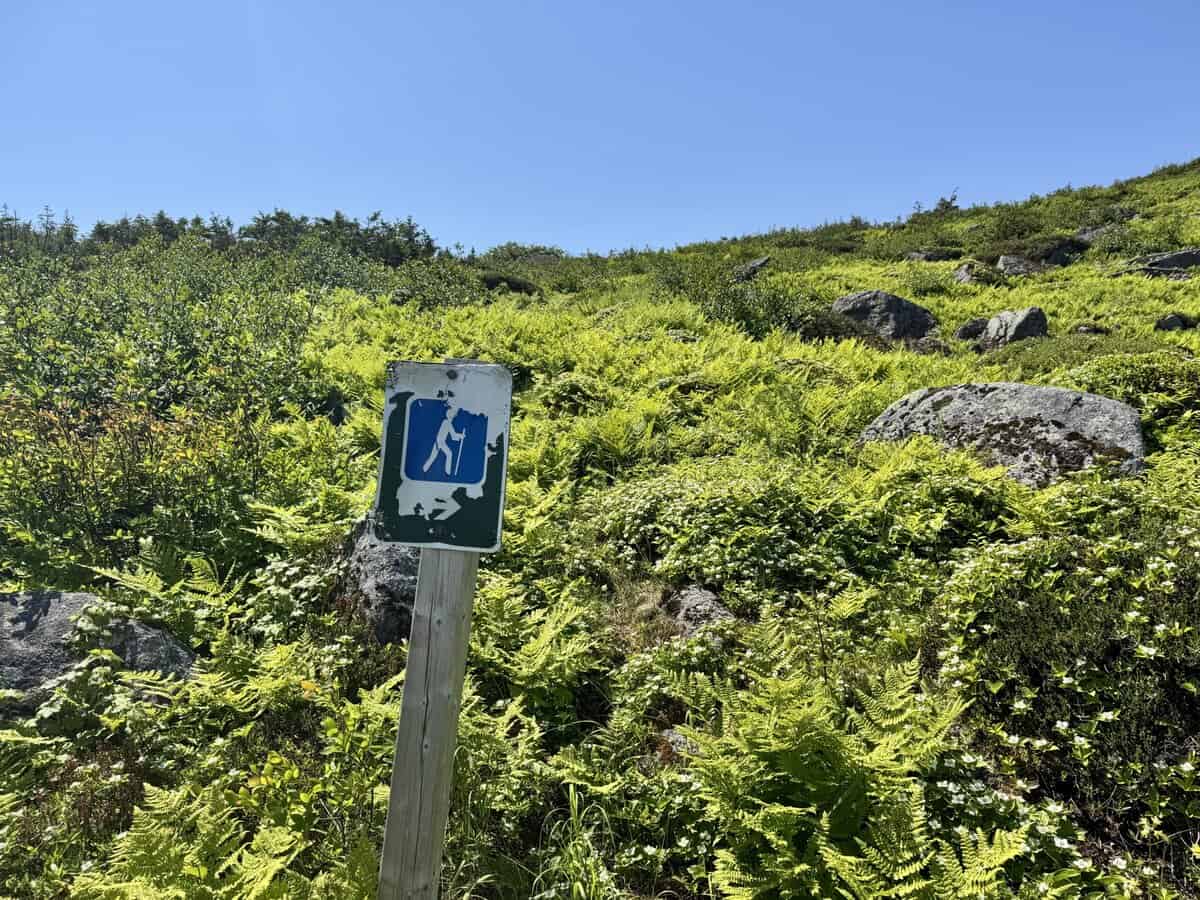
Eventually, I began descending much more aggressively through an overgrown, rocky area. I didn’t have to question I was on the right course when I saw the first park sign of the entire route peeking out of the vegetation beside the trail. From the sign, it took far longer than I expected to descend to the Ferry Gulch campsite, thanks to continued rough terrain (with plenty of bugs!)
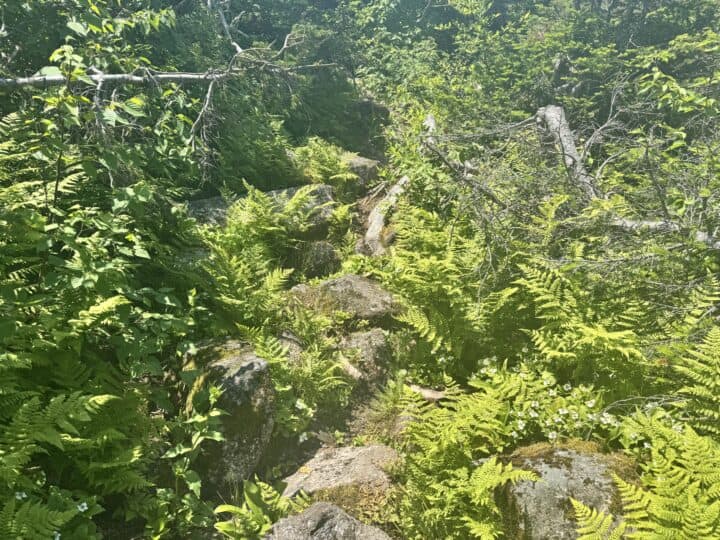
When I reached Ferry Gulch and the last campsite along the Long Range Traverse, it was barely mid afternoon, hot and buggy. Plus, the campsite wasn’t very scenic. Within five seconds I knew I’d hike to the summit Gros Morne that day. After that, I could decide whether to hike the remaining five miles back to my car.
I debated leaving the bulk of my gear at the campsite, and only hiking with the essentials. But my pride got in the way, and I wanted to summit with everything I’d been carrying, just to say I did (and it felt good writing that sentence, so I’m glad I did it!).
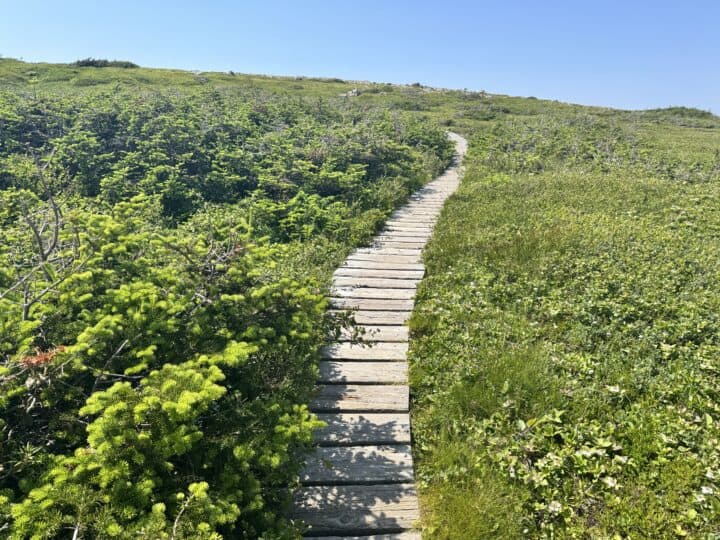
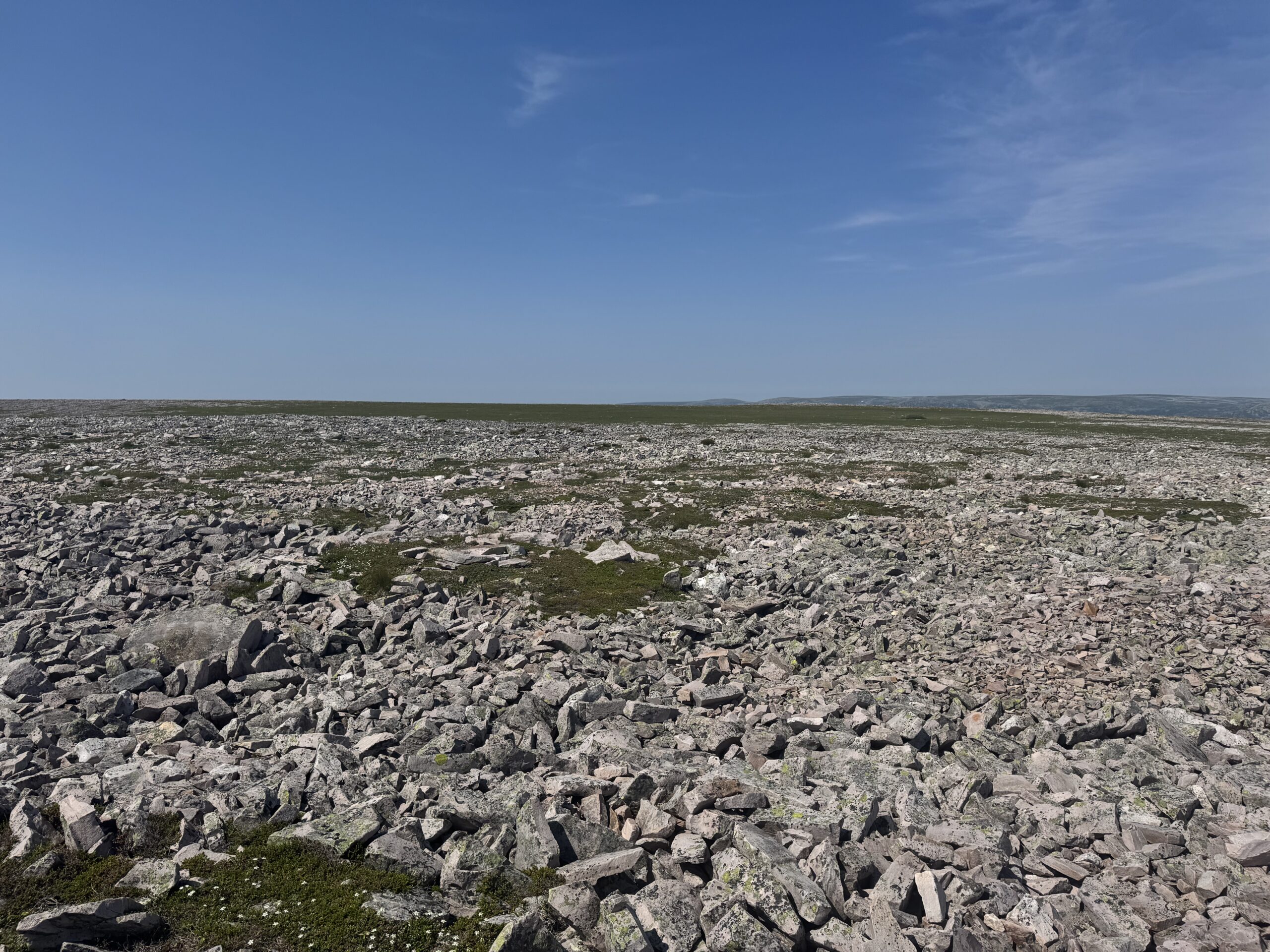
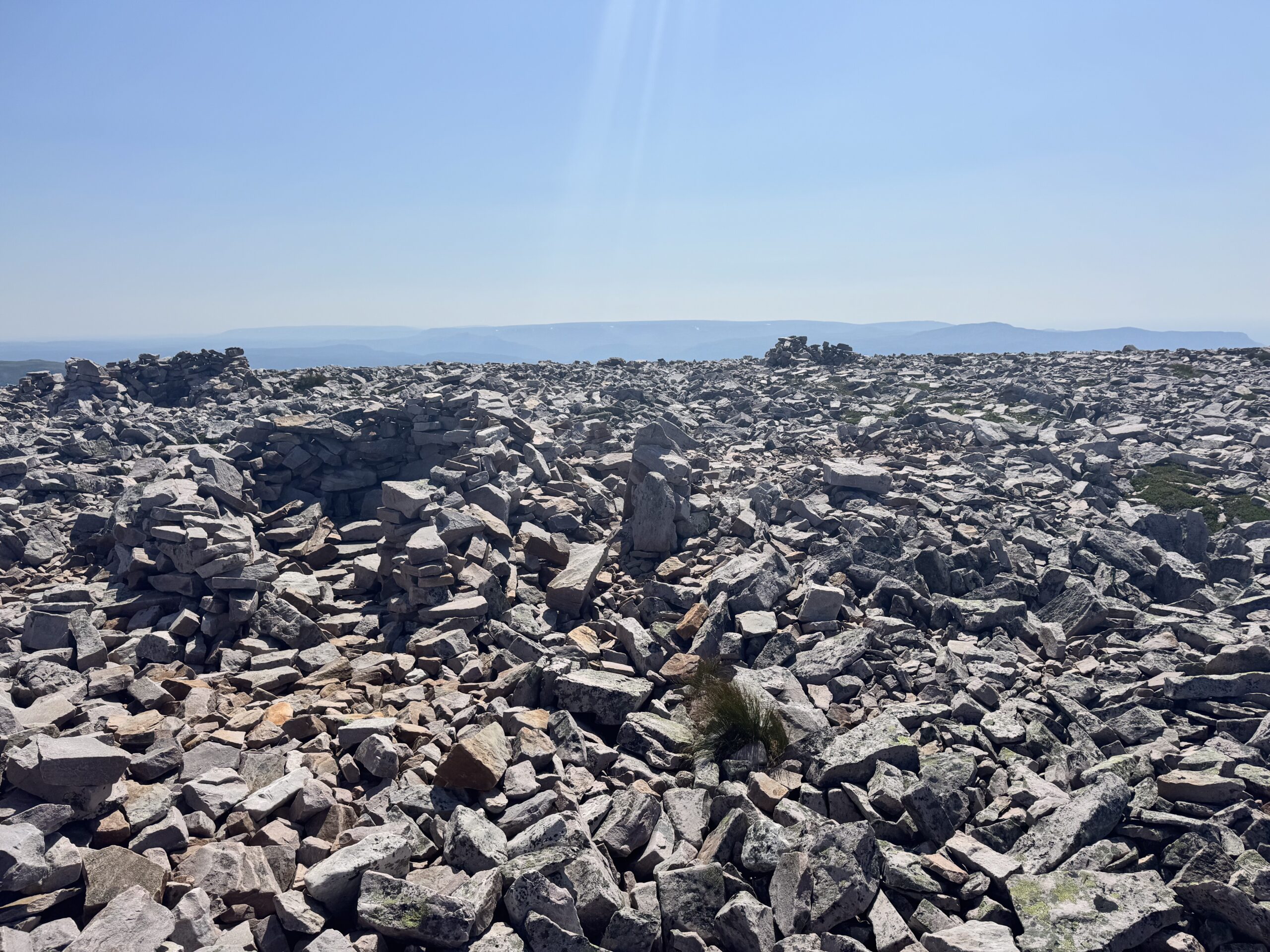
The path to the summit was infinitely easier than anything I’d hiked over the past two days, despite it being a nearly 2-mile climb. The views were gorgeous along the way, and I highly recommend tacking on this side trip if you ever backpack the Long Range Traverse.
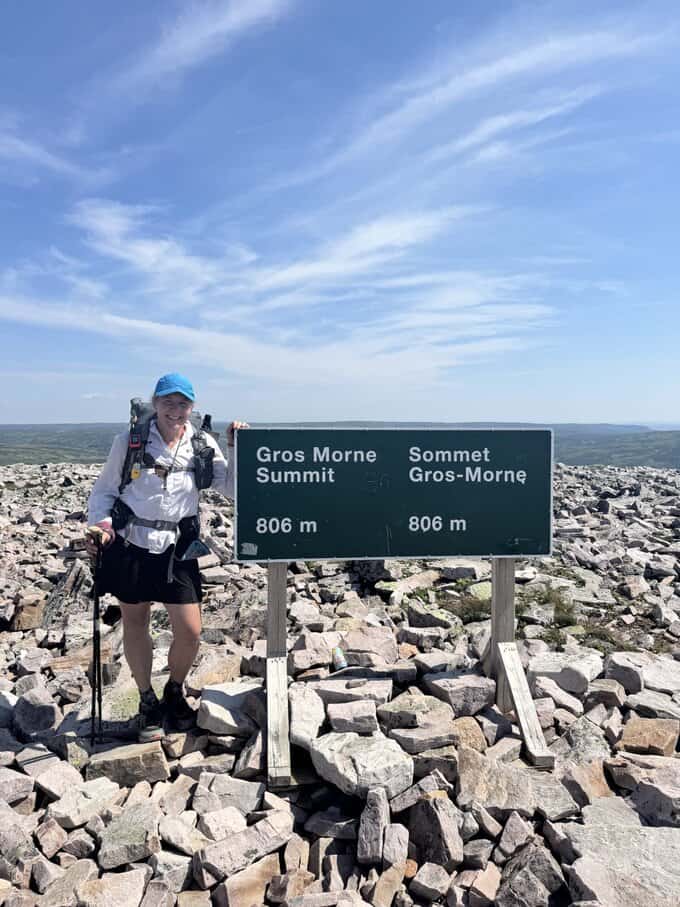
After backtracking from the summit, I reached the campsite and debated for less than a second to continue on. The trail was surprisingly technical in spots, and it was slower going than I’d anticipated. And it was hot. And exposed. But I knew the fridge in my ModVan held all sorts of cold drinks, and it kept me moving efficiently, passing many day hikers in my haste.
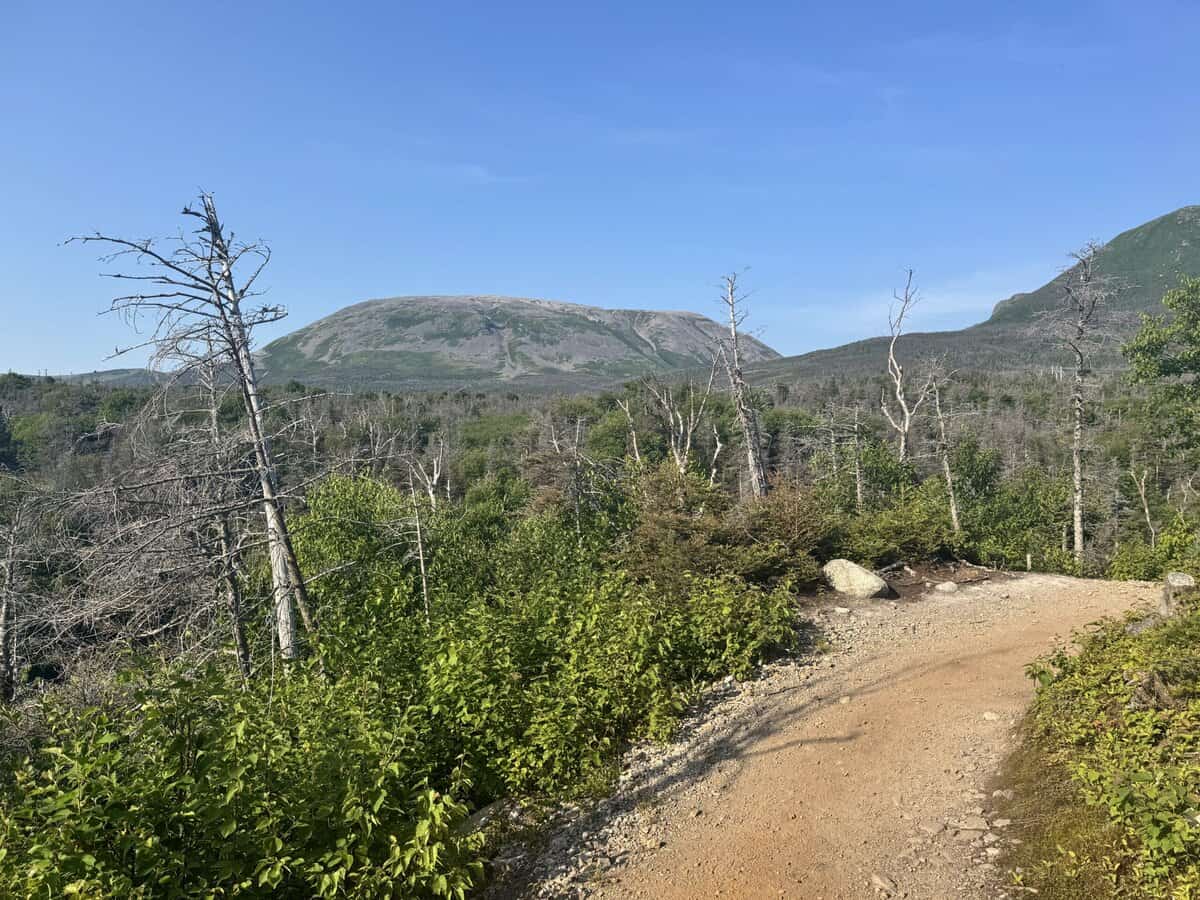
A couple of hours later, I walked into the parking lot after hiking over nineteen miles that day. I was sun soaked and more than ready for food from somewhere besides my hip belt pocket and a cold drink, preferably with hops.
I guzzled a sparkling water and then headed to Norris Point where I’d been told about a food truck serving the most amazing lobster rolls in all of Canada. Apparently, the food truck’s owner/chef, Jeremy Charles, was one of the most famous and accomplished chefs in Newfoundland. A quick Google search verified that he is, in fact, “a thing.”
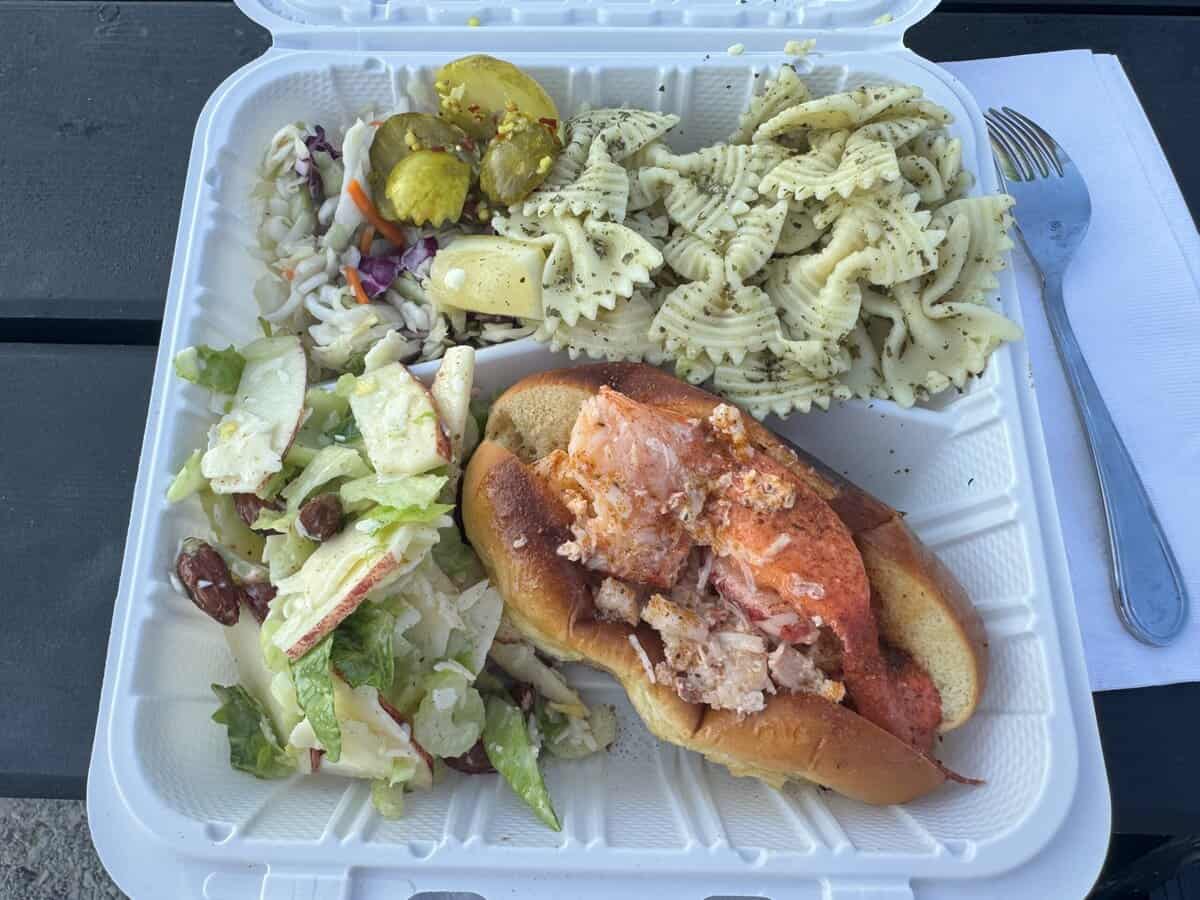
Jeremy Charles himself took my order. His laid back, friendly demeanor instantly put me at ease meeting someone so famous. Why is that we get nervous meeting famous people? They’re just people! The lobster roll was indeed one of the best things I’ve ever eaten, anywhere.
A news story on his food truck covered his not-so-secret cooking process of poaching the lobster in tarragon-infused butter. The sides, three salads, were just as good as the roll. If the roadside meal hadn’t been $40 CAD, I’d have probably indulged in a second–they were that good….and I was that hungry.
After dinner, I stopped by the park’s visitor center to return my permit in a designated dropbox outside, since they’d long closed for the day. I returned to the campsite where I spent the night prior to starting the trip, took a shower, and tucked in early. My legs were itchy after the shower, and it was then that I realized I had at least a dozen deer fly bite wounds on my left calf over my tattoo. Strange that they gravitated toward that area. Serous scabs were immediately clawed off–I couldn’t resist scratching relentlessly, which is probably exactly what I shouldn’t do. Finally, I faded off to sleep after taking some Benadryl.
All in all, I don’t regret having done the Gros Morne Long Range Traverse, despite its high ranking status as a type 2 adventures. It was stunning, and challenging in a way I’m not accustomed to with navigation. And really, it’s hard not to love (most) time spent in nature, bugs and all. But if I had to do it over–and I would do it over, for the record–I’d wait until at early September when I hear the insect population has waned some.
Next up, more Newfoundland fun as I make my way to its east coast and then the famed Fogo Island!